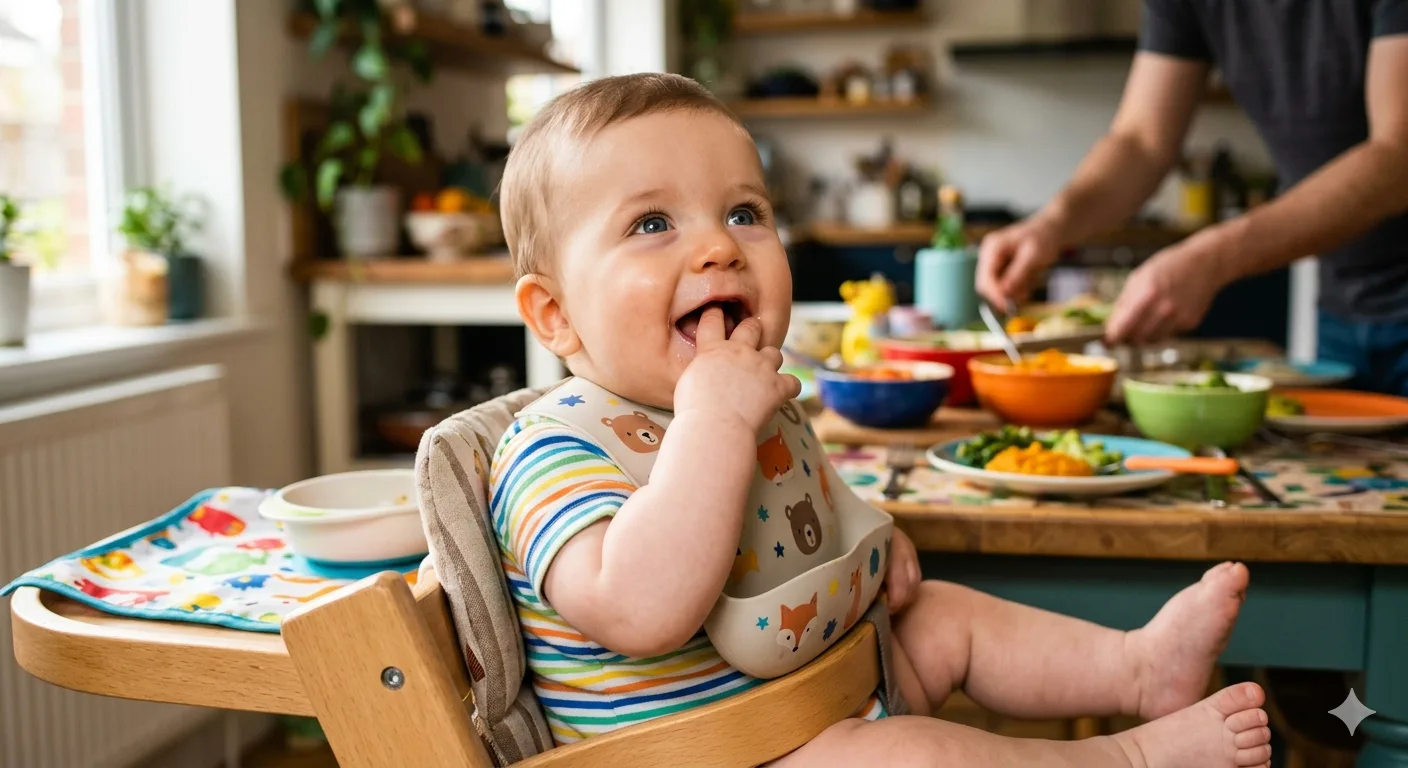
Introducing solids for infant
Breast milk is considered the primary and only appropriate nutritional source for an infant during the first 4 to 6 months of life. It serves as an optimal and self-sufficient source of nutrition; therefore, the infant does not require the introduction of water, herbal infusions, or any other complementary foods.
Breast milk should only be substituted with infant formula in cases of medical contraindications to breastfeeding or an insufficient supply of breast milk (which are rare occurrences).
Complementary feeding should commence not before the infant completes 4 full months of age (i.e., at the beginning of the fifth month). This must be preceded by a consultation with a pediatrician to evaluate the infant, ensuring developmental and physiological readiness for solid foods, and to rule out any underlying health contraindications. The introduction of solid foods is strictly discouraged before the end of the fourth month, nor should it be delayed beyond the end of the sixth month.
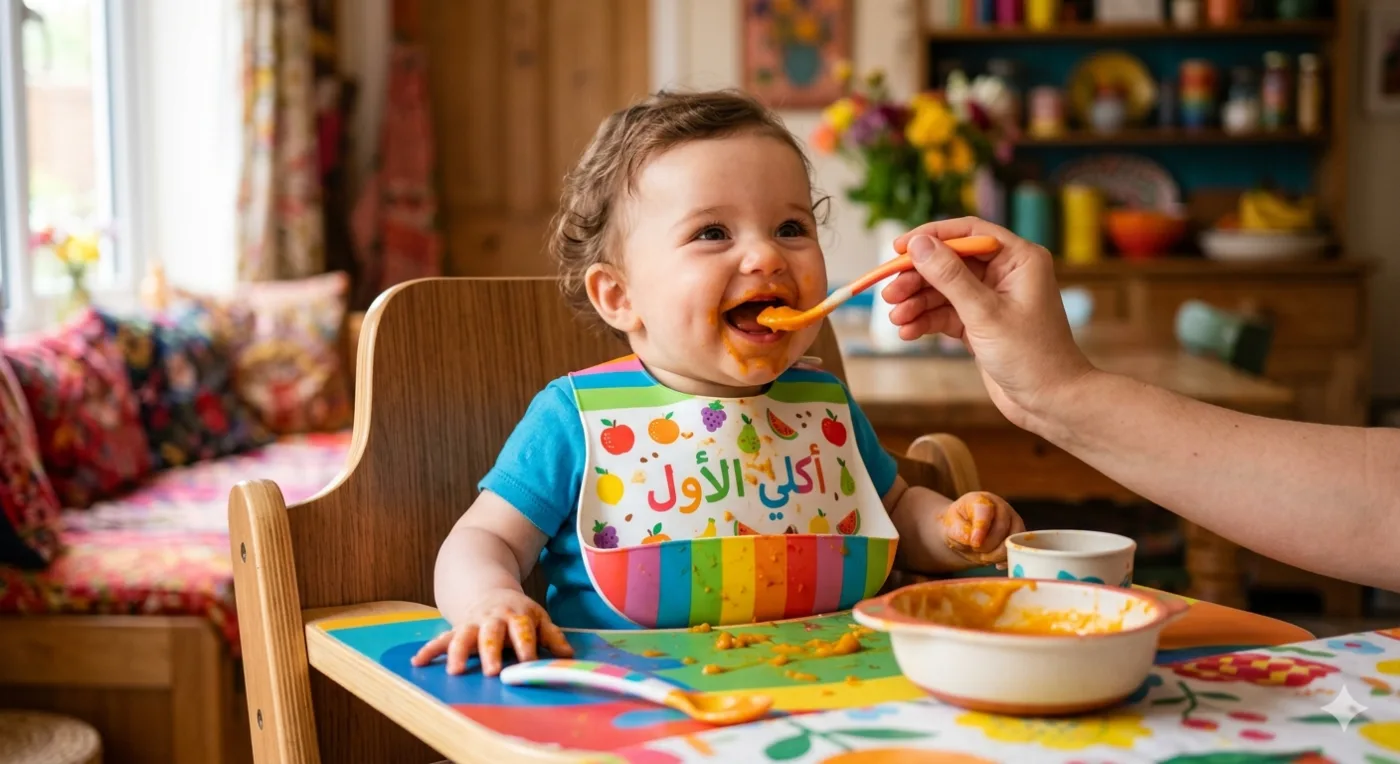
General Principles for Introducing Solids to Infants :
1. Introduction of Pureed Foods: Pureed and mashed foods should be introduced progressively. A monitoring interval of 4 to 5 days must be observed after introducing each new food item before introducing another.
2. Meal Frequency and Portion Sizes: Infants aged 6 to 8 months should be offered 2 to 3 main meals per day, with a portion size of 2 to 3 teaspoons of the prepared food per meal. For infants aged 9 months and older, the frequency should be increased to 3 to 4 meals per day.
3. Palatability and Rejection: A food item should not be deemed rejected or disliked by the infant until it has been offered at least 8 times. In the initial stages, infants are adjusting to new tastes and learning the mechanics of deglutition (swallowing); thus, they may initially reject a food item but accept and tolerate it subsequently.
4. Dietary Continuity: Once a specific food item is successfully introduced, it is recommended to maintain its regular inclusion in the infant’s dietary regimen throughout the following months.
5. Hydration: Fluid intake via water should be initiated concurrently with the introduction of solid foods. Water may be administered using a baby bottle or a spoon during meals.
6. Nutrient-Dense First Foods: There is no single mandatory food item to start with; however, selection should prioritize iron-fortified or iron-rich foods, complemented by the integration of fruits and vegetables high in Vitamin C to enhance absorption.
7. Weaning and Milk Spacing: It is advised to space out milk feeds to encourage the acceptance of solid foods, gradually shifting the nutritional reliance from milk to solids month by month post the 6th month until the infant reaches one year of age.
8. Texture Progression: The consistency and texture thickness of food, as well as its dietary diversity, should be progressively advanced in accordance with the infant's chewing and swallowing capabilities.
9. Transition to Family Foods: By the 8th month, the infant can be introduced to a variety of modified family foods prepared for the daily household table.
10. Dairy Restrictions: Yogurt and other dairy products (such as Labneh and cheese) should not be introduced at the onset of the complementary feeding program. These products contain bovine protein (cow's milk protein), which poses a risk of allergic sensitization, and they are deficient in iron and other essential micronutrients required at this stage. Exceptionally, they may be introduced in minimal quantities starting from the 8th month.
11. Developmental Readiness Indicators: The clinical milestones utilized by pediatricians to assess an infant's readiness to commence solid foods include:
- Adequate head and neck control (head stability).
- Demonstration of curiosity and food-seeking behavior when food is brought near the mouth.
- Bringing hands to the mouth and increased salivation (drooling).
- Ability to sit with support.

Proposed Dietary Regimen for Infants
Initial Phase
First Food Blend (Zucchini, Potato, and Carrot):
Preparation: Boiled and pureed without the addition of salt or sugar.
Frequency and Dosage: 3 meals per day, with 2 to 3 teaspoons per meal. Food should be administered gradually using the tip of the spoon.
Second Food Item (Banana and Orange Blend):
Protocol: Maintain the first food blend across all meals for a 5-day monitoring interval before introducing the second item.
Preparation: Mash half a banana with a fork and add a squeeze of fresh orange juice. Finely crushed plain biscuit may be incorporated to neutralize acidity, though it is optional.
Third Food Item (Plain Biscuit):
Protocol: Maintain the first and second food items for another 5-day monitoring interval before introducing the third item.
Preparation: One plain, unsweetened biscuit prepared and softened with water or infant formula.
Administration: Administered progressively using the tip of the spoon.
Fourth Food Item (Infant Cereal):
Protocol: Observe a 5-day monitoring interval using the three previously introduced items, alternating between them across the three meals, before adding the fourth item.
Preparation: Commercial infant cereal powder (e.g., Cerelac, Kedilac, Formilac, Sahha, or equivalents). Dissolve 3 teaspoons of the powder in pre-boiled, sterilized lukewarm water until reaching a smooth, easily swallowable consistency. Adherence to the manufacturer's feeding quantities stated on the package is not mandatory.
The Sixth Month
Chicken Soup with Breadcrumbs or Boiled Rice: Finely shredded chicken soup served with breadcrumbs or well-boiled rice.
Avocado Puree: Peeled avocado, blended and smoothed with a small amount of orange juice.
Oats and Apple Blend: Boiled and pureed oats and apples prepared with a small amount of water.
Date and Apple Puree: Boiled and pureed dates and apples prepared with a small amount of water.
Broccoli, Carrot, and Zucchini Blend: Small pieces of broccoli, carrots, and zucchini, boiled and thoroughly pureed.
Boiled Pasta: Well-boiled pasta adjusted to an appropriate consistency.
The Seventh Month
Egg Yolk: Hard-boiled egg yolk, softened and moistened with a small amount of olive oil.
Shredded Chicken: Boiled chicken cut into very fine, minute pieces and served with its broth.
Tender Red Meat and Fish: Tender cooked red meat and boneless fish fillets, finely minced or pureed.
Lentil Soup or Lentils with Rice: Well-cooked lentil soup or a blend of lentils and boiled rice

General Principles of Pediatric Nutrition
Continuation of Breastfeeding: Breastfeeding should be continued alongside the introduction of solid foods by establishing a structured schedule that coordinates meal times with milk feeds. Weaning (discontinuing breastfeeding) is strongly discouraged before the infant reaches one year of age.
Prohibited Ingredients (Cow's Milk and Honey): The introduction of whole cow's milk and raw honey is strictly contraindicated before twelve months of age.
Responsive Feeding: It is crucial to respect the infant's satiety cues and dietary preferences. Avoid forcing the child to finish a meal, and strictly refrain from coercive or force-feeding practices.
Social Development and Family Meals: It is highly recommended to encourage the child to participate in family meal times, seated around the dining table with other family members to foster social development.
Self-Feeding and Fine Motor Skills: It is essential to allow the child to engage in self-feeding using clean fingers, as well as progressively introducing and encouraging the use of an infant spoon, cup, and bowl.
Sodium and Sugar Restrictions: The addition of salt (sodium) or refined sugar to the infant’s food should be strictly minimized or avoided.
Limiting Processed Foods: It is strongly recommended to restrict the consumption of commercially prepared and ultra-processed foods.
Water Sterilization: Up to twelve months of age, all types of water provided to the infant—including bottled mineral water—must be boiled and cooled prior to consumption.
Prevention of Sugar-Sweetened Beverages: Consumption of sugar-sweetened beverages—such as tea, fruit juices, cordials, and carbonated sodas—must be avoided. This intervention is critical to reduce the risk of early childhood dental caries (tooth decay) and to prevent the development of a preference for excessively sweet tastes.
Microwave Heating Prohibition: Heating infant food or breast milk/formula in a microwave oven is strictly prohibited due to the risk of uneven heating and "hot spots" that can cause severe thermal burns.
Dr. Hasan Elayan
Pediatric Consultant