
If your child refuses vegetables, eats only a handful of foods, or suddenly rejects meals they once enjoyed, you're not alone.
Picky eating is one of the most common concerns parents bring to pediatric dietitians. While it can be frustrating, understanding why it happens can make it easier to manage.
What Is Picky Eating?
Picky eating refers to selective eating behaviors such as:
• Refusing certain foods
• Avoiding new foods
• Preferring the same meals repeatedly
• Rejecting specific textures
• Limiting food variety
Many children experience some degree of picky eating, especially between the ages of 2 and 6 years.

Why Do Children Become Picky?
1. It's Part of Normal Development
Young children naturally become more cautious about unfamiliar foods.
This developmental stage, known as food neophobia, may have helped protect children from eating potentially harmful substances as they became more independent.
2. Growth Slows Down
After infancy, growth rates slow significantly.
As growth slows, appetite often decreases. Parents may assume something is wrong when, in reality, the child's nutritional needs have changed.
3. Children Seek Independence
Food is one area where children can exercise control.
Saying "no" to certain foods may be part of their effort to develop independence.
4. Sensory Preferences Matter
Some children are highly sensitive to:
• Texture
• Smell
• Temperature
• Appearance
A child may reject a food because of how it feels rather than how it tastes.
Common Myths About Picky Eating
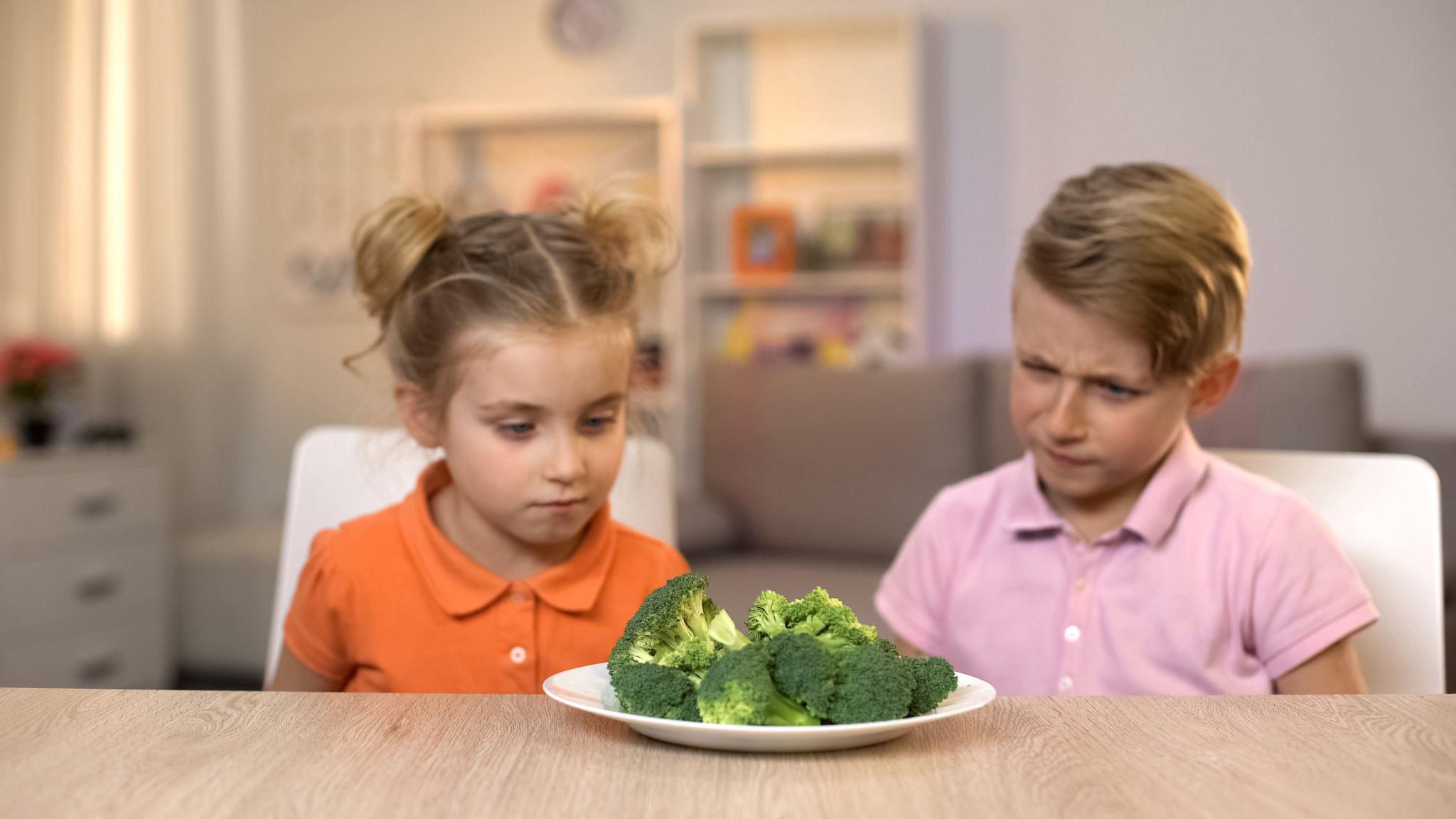
Myth 1: Hungry Children Will Always Eat
While hunger influences eating, anxiety, sensory sensitivities, and unfamiliarity can still affect food acceptance.
Myth 2: Forcing a Child to Eat Works
Research and clinical experience suggest that pressure often increases food refusal and mealtime stress.
Myth 3: One Refusal Means They Don't Like It
Children may need many exposures before accepting a food.
A rejected food today may become a favorite months later.
What Actually Helps?
Offer Repeated Exposure
Continue offering new foods without pressure.
Even small interactions such as touching or smelling a food count as progress.
Include Safe Foods
Serve familiar foods alongside new foods.
This helps children feel comfortable and reduces mealtime anxiety.
Keep Portions Small
A large serving of an unfamiliar food can feel overwhelming.
Start with a tiny amount.
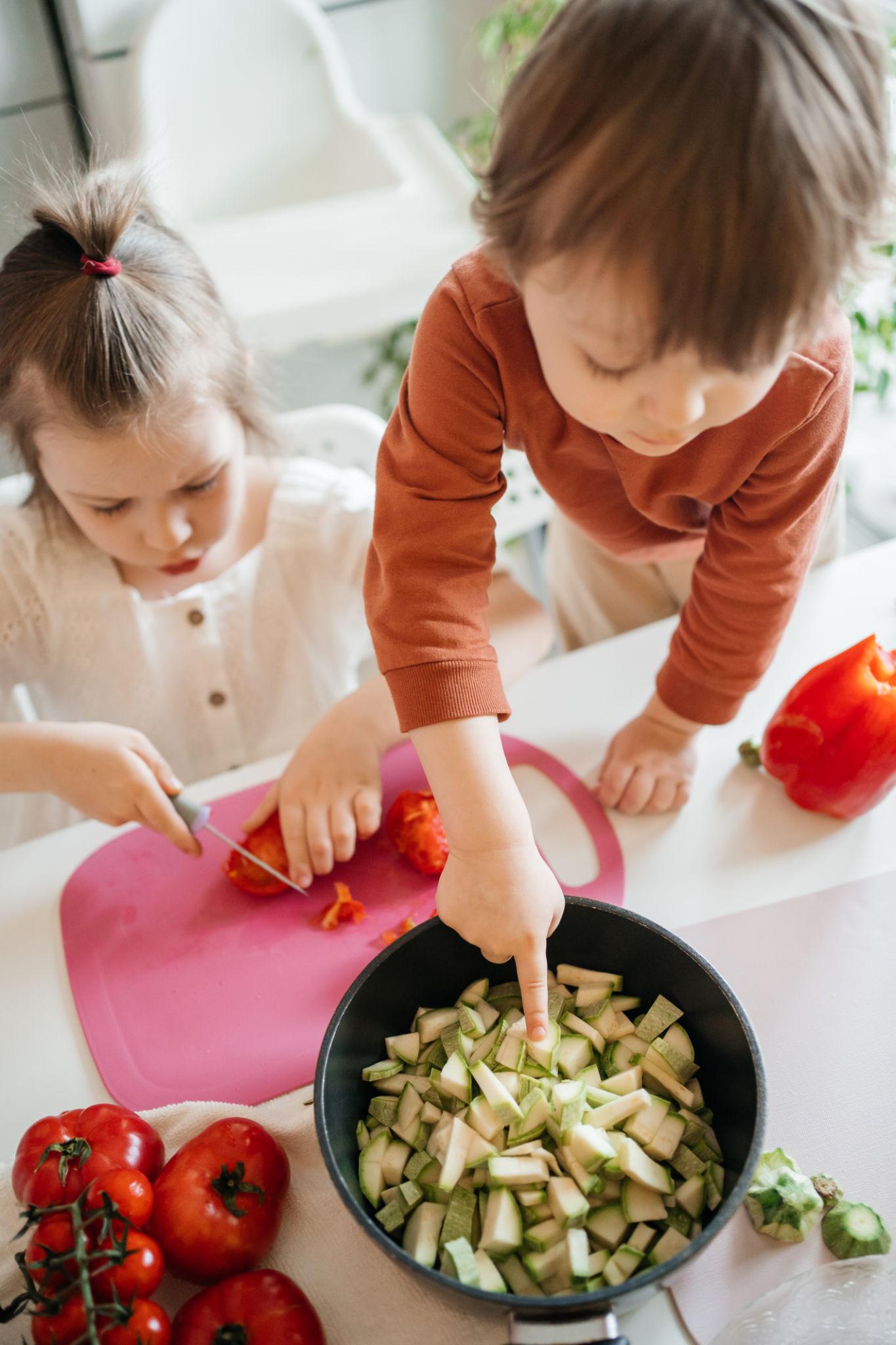
Involve Children
Children are more likely to try foods they help select, prepare, or serve.
Simple tasks such as washing vegetables or stirring ingredients can increase interest.
Model Healthy Eating
Children learn by watching.
When adults eat and enjoy a variety of foods, children are more likely to explore them as well.

What Not to Do
Avoid:
• Bribing with dessert
• Forcing bites
• Threatening consequences
• Labeling a child as "picky"
• Preparing multiple separate meals
These approaches often increase stress and reinforce selective eating.

When Should Parents Be Concerned?
Seek professional guidance if your child:
• Is losing weight
• Has poor growth
• Eats an extremely limited number of foods
• Eliminates entire food groups
• Frequently gags or chokes
• Shows significant anxiety around food
In these situations, additional support from a pediatrician, pediatric dietitian, or feeding specialist may be beneficial.
Final Thoughts
Picky eating is often a normal part of childhood development, not a sign of failure or poor parenting.
The most effective approach is patience, repeated exposure, positive mealtime experiences, and realistic expectations.
Remember: the goal is not to make children eat a specific food today. The goal is to help them become confident, curious eaters over time.