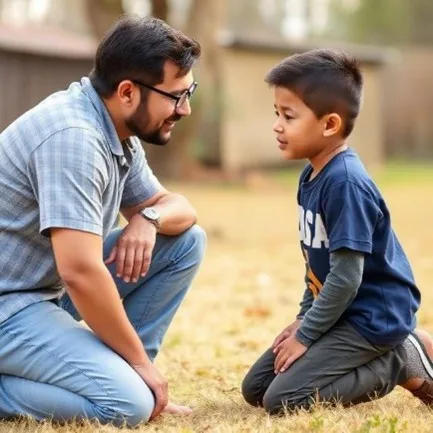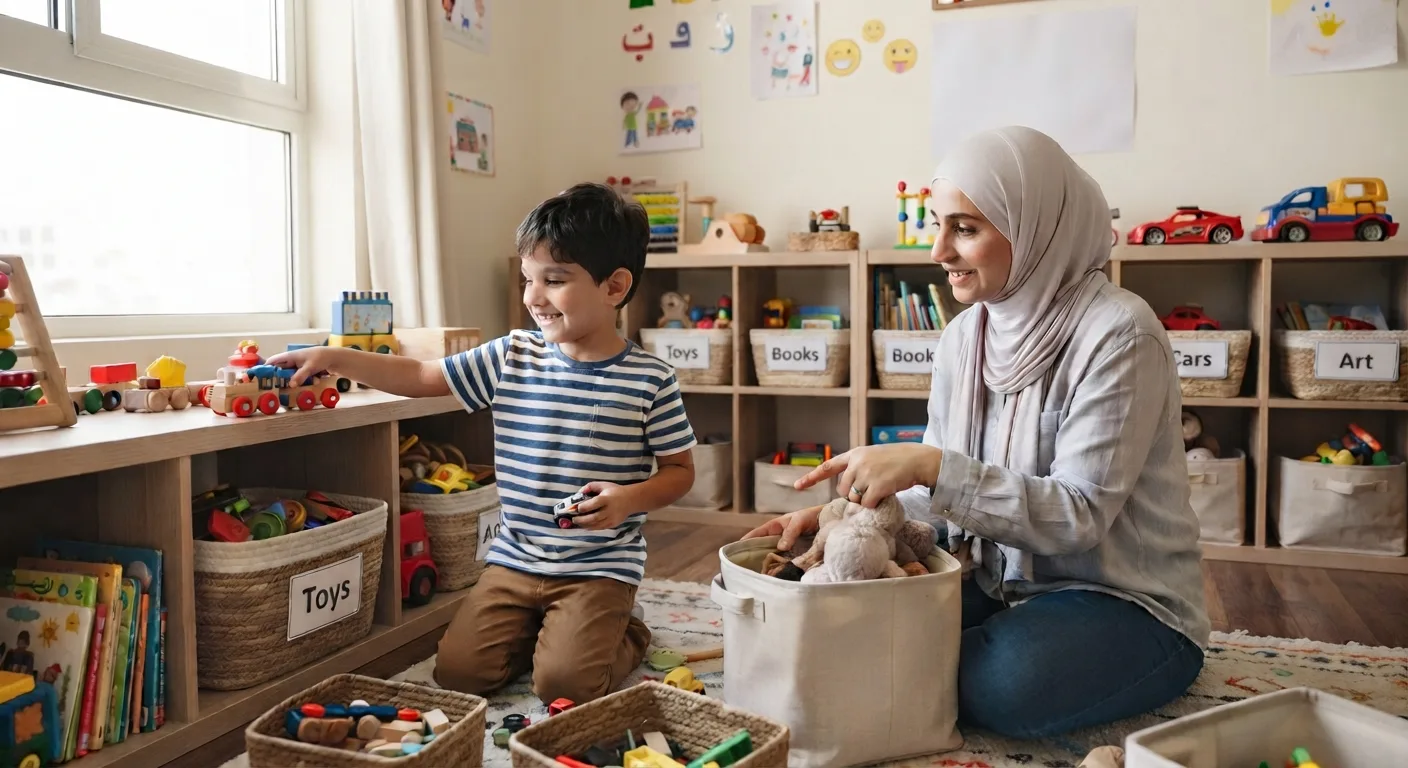
Parenting is one of the most rewarding and challenging responsibilities we undertake. Every parent wants to see their child grow into a confident, responsible, and successful adult. While there is no single perfect approach to parenting, certain principles can help children develop the skills, attitudes, and resilience they need to thrive. By providing guidance, realistic encouragement, and a supportive environment, parents can help their children become capable individuals who are prepared to face life's challenges.

Encouraging Independence Through Responsibility
As parents, it is natural to want to shield our children from frustration, disappointment, and failure. However, one of the most valuable gifts we can offer is the opportunity to learn how to manage challenges independently. Children develop confidence when they are trusted with age-appropriate responsibilities and encouraged to solve problems on their own. For example, rather than immediately rescuing a child who forgets their homework, parents can help them think through strategies to be better prepared next time. Similarly, allowing children to manage a small allowance can teach important lessons about planning, decision-making, and responsibility
As children mature, they naturally seek greater independence. This desire is healthy and should be supported, but freedom should always be accompanied by responsibility. A child who wants a later bedtime might first demonstrate responsibility by completing homework and morning routines without reminders. Likewise, a teenager who requests additional social privileges can show readiness by following family rules and communicating openly and respectfully. When parents gradually increase privileges while maintaining clear expectations, children learn that trust is earned through responsible behavior. The simple principle is that as freedom increases, responsibility should increase as well

Using Praise Wisely
Praise plays a significant role in shaping how children view themselves and what they believe their parents value. The words parents choose can encourage children to develop positive qualities such as perseverance, kindness, creativity, and responsibility. For example, saying, “You worked very hard on that project,” or “You showed great patience with your younger brother,” focuses attention on effort and character rather than on fixed traits. This type of praise motivates children to continue practicing these positive behaviors.
At the same time, parents should be mindful of overly exaggerated praise. Labels such as “perfect,” “the smartest,” or “the best” may seem encouraging, but they can unintentionally create pressure. Children who feel they must always live up to these descriptions may become anxious about making mistakes or facing setbacks. A healthier approach is to recognize effort, improvement, and positive choices. Praising children for persistence, responsibility, and kindness helps them build genuine self-confidence that is grounded in real experiences rather than unrealistic expectations

Avoiding Labels and Encouraging Growth
The language parents use when talking about their children can have a lasting impact on how children see themselves. Children often internalize the messages they hear from adults, even when those comments are not directed at them. When a child repeatedly hears statements such as “He’s lazy,” “She’s shy,” or “He never pays attention,” they may begin to view these descriptions as permanent parts of their identity. Over time, this can reduce motivation and make children believe they are incapable of change.
Instead of labeling children, parents can focus on describing specific behaviors and encouraging growth. For example, rather than saying, “She’s shy,” it may be more helpful to say, “She takes a little time to feel comfortable in new situations.” Instead of stating, “He can’t focus,” parents might say, “He is still learning strategies that help him stay focused.” This type of language communicates optimism and reinforces the idea that abilities and behaviors can improve with practice and support. By emphasizing growth rather than limitations, parents help children develop resilience, confidence, and a belief in their ability to overcome challenges
Dr. Mai Othman
Speech-Language specialist and psychological Counselor