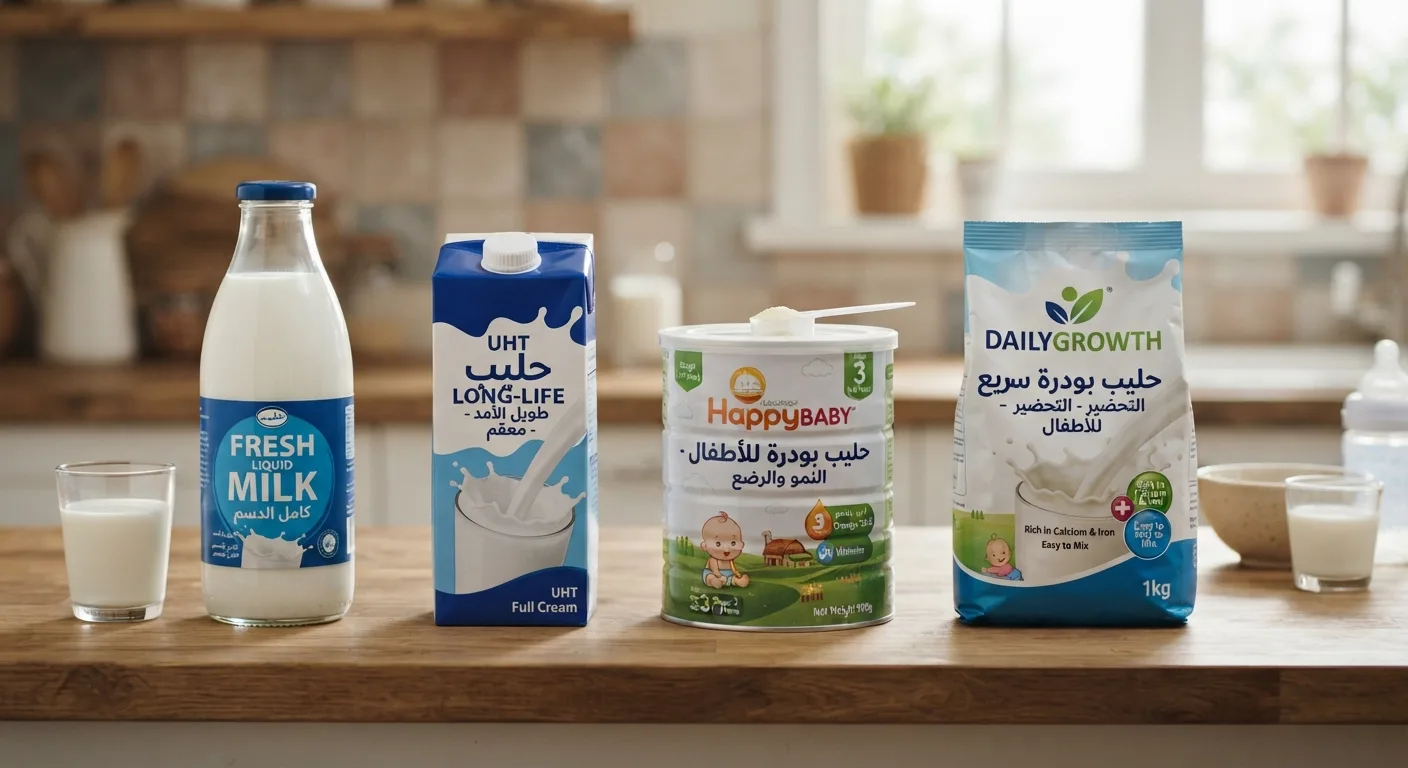
With the multitude of options available on the market (ranging from fresh milk and age-specific formulas to various types of powdered and canned milk), many parents find themselves truly confused. This guide provides a simplified, science-based ranking of these options according to nutritional preference
First: Breast Milk (Breastfeeding) — Always the Gold Standard
If breastfeeding continues, it remains the first and best choice even after a child turns one, serving as a supplement rather than the sole substitute for a variety of solid foods.
Core rule: After one year of age, the primary focus of a child's nutrition shifts to solid foods. Milk becomes an auxiliary component, with an amount not exceeding approximately 400 ml per day
Second: Fresh Pasteurized Whole Cow's Milk
Both the American Academy of Pediatrics and the World Health Organization recommend fresh, pasteurized, whole cow's milk (not low-fat) as a primary choice after the age of one.
Full fat is essential at this stage to support brain development. It is required that the child's diet be sufficiently diverse to cover their iron needs, as cow's milk is relatively low in this nutrient
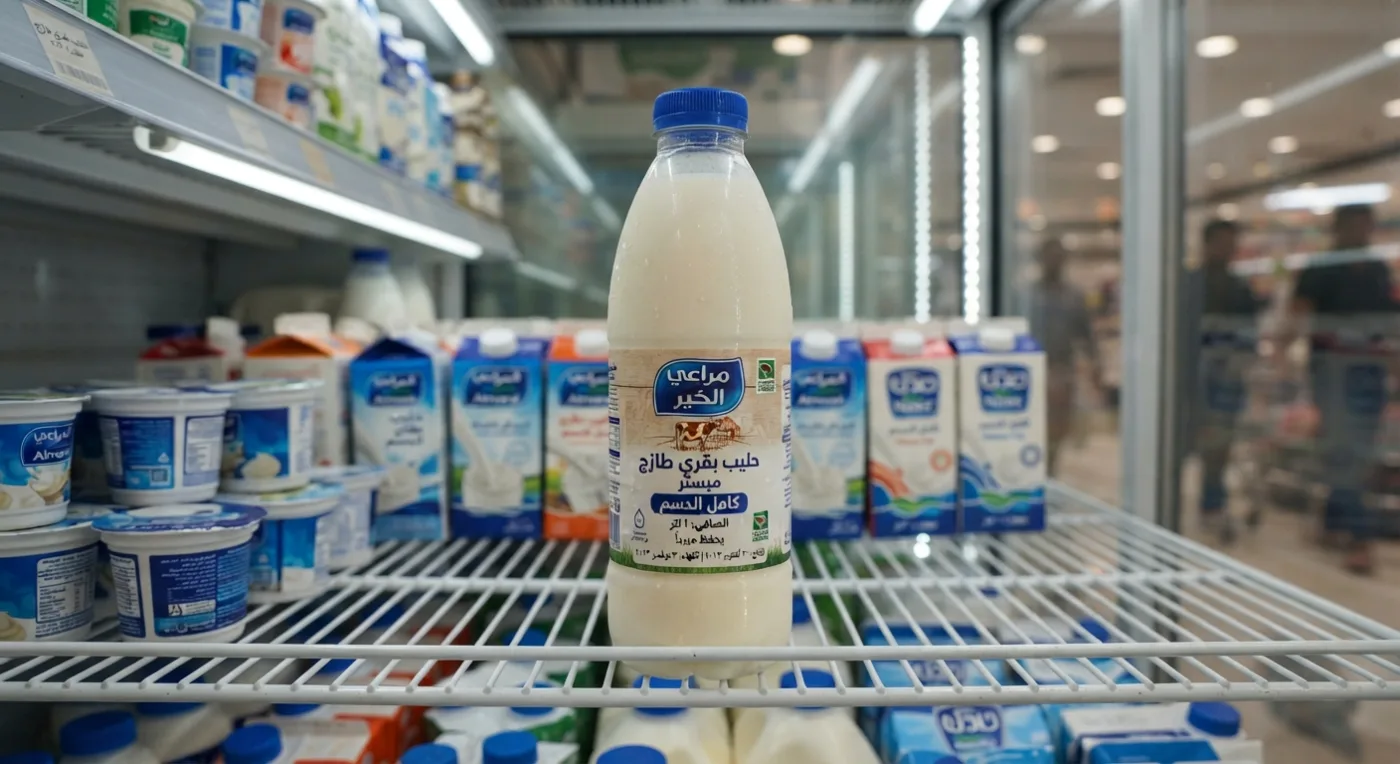
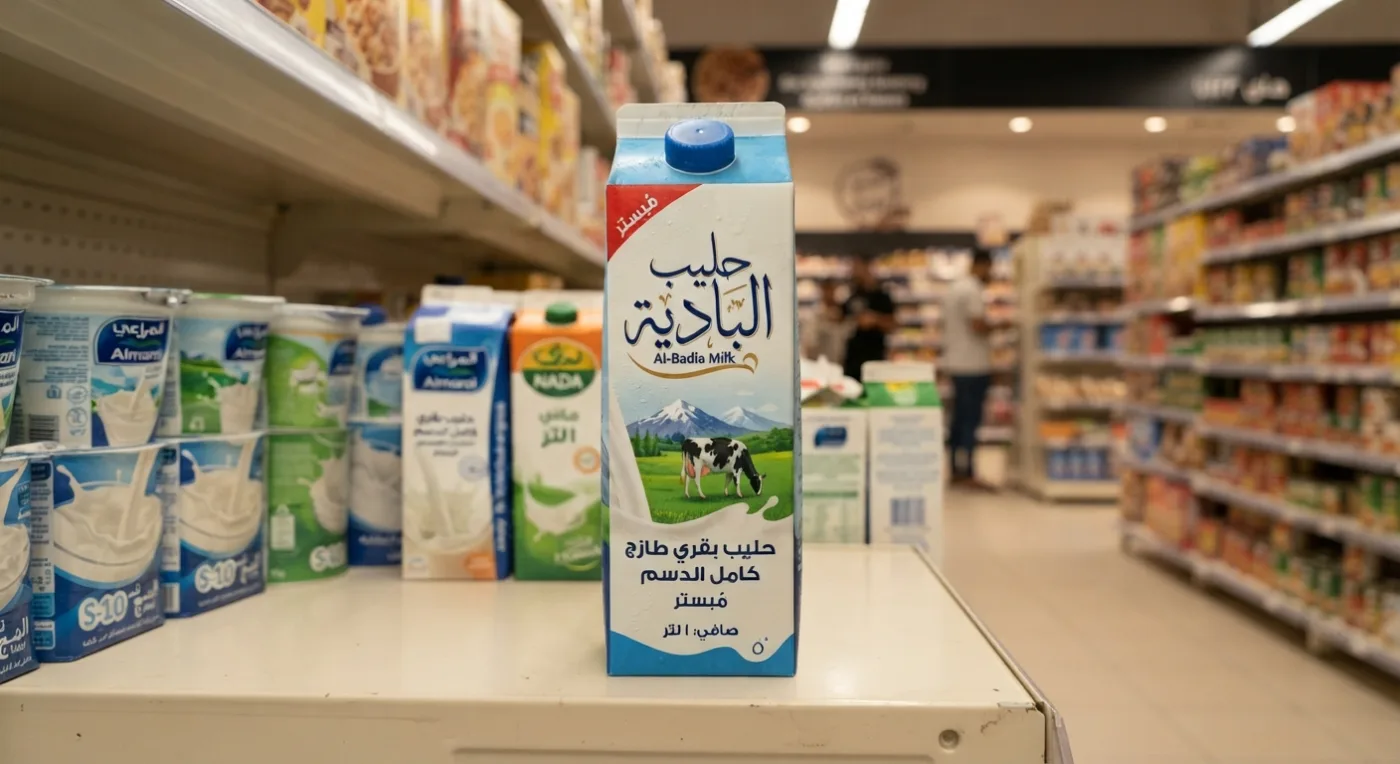
There are two types of fresh milk in the supermarket:
Fresh milk found in the refrigerator: Treated with relatively moderate heat (about 62 to 75 degrees Celsius) to kill harmful bacteria while preserving the maximum amount of nutritional value, and it requires continuous refrigeration.
The second type is long-life milk: Treated with very high heat (exceeding 135 degrees Celsius) to have a longer shelf life. This higher heat leads to a relatively greater loss of some heat-sensitive vitamins
The difference in nutritional values between the two from a practical standpoint is very minor, and both are considered a good choice.
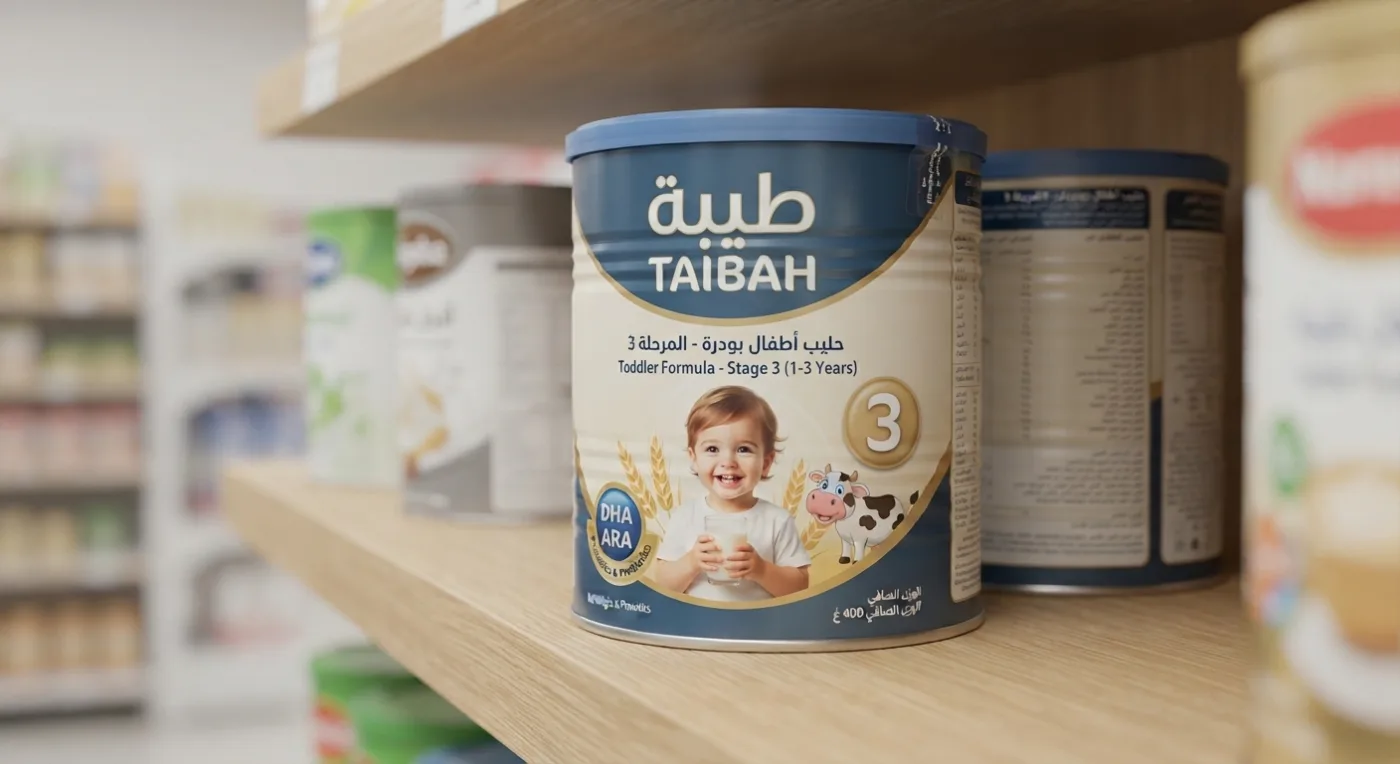
Third: Age-Specific Growing-Up Milk Powder (Stage 3 or Number 3)
An acceptable option, especially if the child's diet is not diverse, or in cases of a documented deficiency in iron or vitamin D.
As noted in an article published by the American Academy of Pediatrics in 2023, growing-up milk does not provide any additional nutritional value for most healthy children. It also pointed out that it is not necessary to recommend it routinely, especially given its relatively high price
Conclusion:
The practical reality: Growing-up milk is not necessarily better than whole cow's milk; it remains an optional choice rather than a necessity for all children.
The main advantage of this milk is that it provides higher levels of vitamin D and iron.
However, this can be compensated for by sun exposure and eating animal products such as meat, chicken, and fish
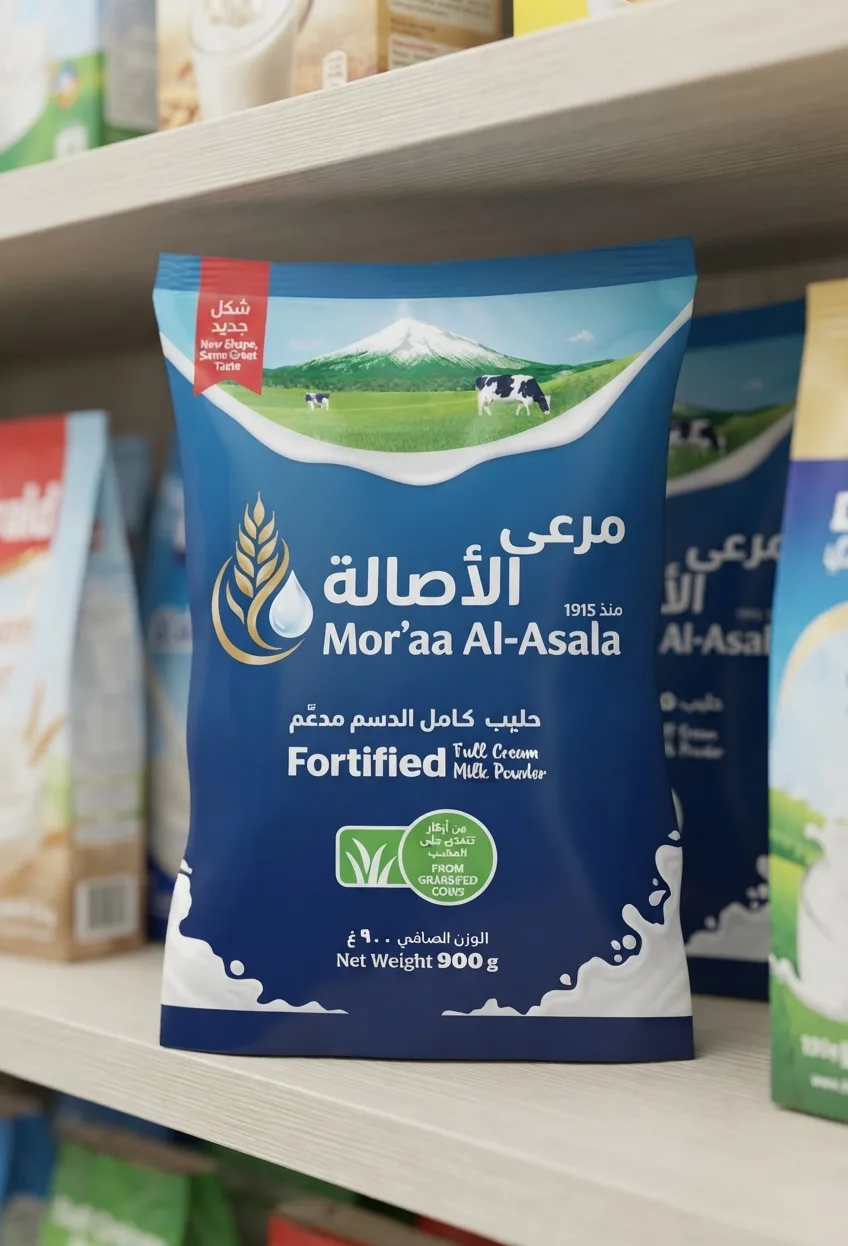
Fourth: Non-Age-Specific Powdered Milk
One of the weaker options for this age group, as it is usually originally designed for adults or for cooking, and it does not meet the nutritional requirements and essential vitamins necessary for this sensitive stage of growth
Fifth: Appropriate Quantity and Method of Serving Milk
One of the common mistakes made by many parents is focusing solely on the 'type' of milk while overlooking the quantity, which is equally important.
It is recommended that a child's daily milk intake between the ages of one and three should not exceed approximately 400 to 500 ml per day. Exceeding this amount may cause the child to feel falsely full, reducing their appetite for the varied solid foods they need to meet their requirements for iron, zinc, and other elements that milk does not provide in sufficient quantities.
A cup (or glass) is better than a bottle !
It is recommended to transition from a bottle to serving milk in a cup starting around one year of age. Prolonged bottle feeding after this age is associated with an increased risk of tooth decay, may encourage the child to consume more milk than necessary at the expense of solid foods, and can potentially affect the normal development of mouth and tongue muscles

When is it recommended to stop using a bottle completely ?
The general recommendation is to completely stop using the feeding bottle (baby bottle) by 18 months of age, and at the latest by age two. The longer weaning from the bottle is delayed past this age, the greater the risk of tooth decay and nutritional and behavioral dependence on the bottle.
Final Ranking:
Breast milk (if breastfeeding continues)
Fresh pasteurized liquid cow's milk (preferred over long-life UHT milk), whole fat, for healthy children
Age-specific milk powder (growing-up milk)
Non-age-specific milk powder
Conclusion:
"There is no 'magic milk' that definitively surpasses all other options, but current scientific evidence clearly supports fresh, whole cow's milk as a primary and safe choice for most healthy children between the ages of one and three, provided it is part of a diverse diet that covers iron and other vitamins
References:
World Health Organization (WHO) — Systematic review on milk types for children aged 12–23 months
American Academy of Pediatrics (AAP) — Recommendations on age-specific milk versus cow's milk
Dr. Mohammad Humaidy
Pediatrics and neonatology